Tomorrow’s engineers, designers and problem solvers deserve every tool available to build a brilliant future. 3D printing fuels limitless creativity when students get to see, hold, and test their ideas in real space.
K through 12
The younger a person is, the easier it usually is to introduce new ideas and methodologies. This is why young children are so quick to learn new languages, when compared to their older adult counterparts. This is what makes elementary schools, junior high schools, and high schools the perfect place to begin really introducing a curriculum based around 3D printing.
Just about every subject within a school curriculum could benefit from 3D printing technology. We will outline a few of these below:
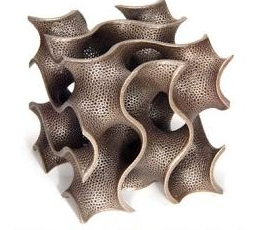
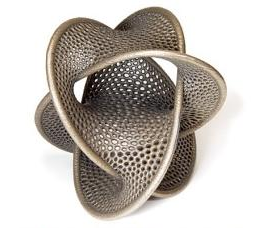
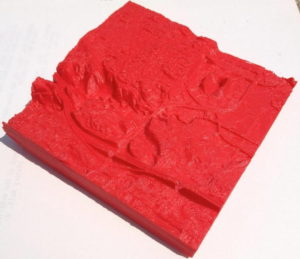
Geography students can print out topography, population or demographics of an area.
History classes can print artifacts for closer examination.
Undergraduate and Graduate
- Biology students can study cross-sections of the human heart or other anatomical models.
- Chemistry students can print out complex molecules to study.
- Design and engineering students can make prototypes of their creations.
- Architectural students can print new or existing designs.
- Graphic Design students can create prototypes of product designs.
- Food technology students can design molds and cookie cutter templates.
We offer 3D printing to your classroom to expose learners to the same cutting-edge technologies they’ll encounter in their careers. It gives them a jump-start on tomorrow’s challenges. For researchers, Structured 3D breaks barriers with advanced material capabilities, including impressive detail, precision and durability.
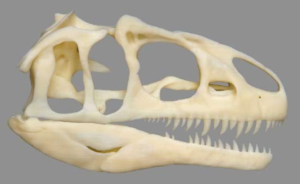
- We work with geologists to take the fossils found and replicate them using the 3D printing system. Ultimately, sharing their findings with schools and museums without putting the real fossils at risk.
- Our 3D printers have became integral in the process for designing and testing everything from multi-part molds for printing simulated organs to fabricating structural members.
- We assist Engineering & Biological departments fabricate minuscule tissue scaffolds.
- Ultra-thin-layer, high-resolution 3D printing capabilities made it possible to produce model parts with diameters as small as 1mm (0.039”), with the high degree of accuracy required.
- Using our 3D printers, various higher learning institutions were able to create dissolvable molds consisting of intricate channel configurations that represent the negative replica of the entire scaffold architecture. The scaffold material is cast into the mold, and upon dissolution, the mold is removed, leaving behind an interconnected 3D network of channels within the scaffold.
- Fabricate the desired sacrificial mold.